AI Wellness Tech: The Hype, The Reality & The Future
AI wellness tools promise to revolutionize self-care—but are they actually working, or just another Silicon Valley trend?

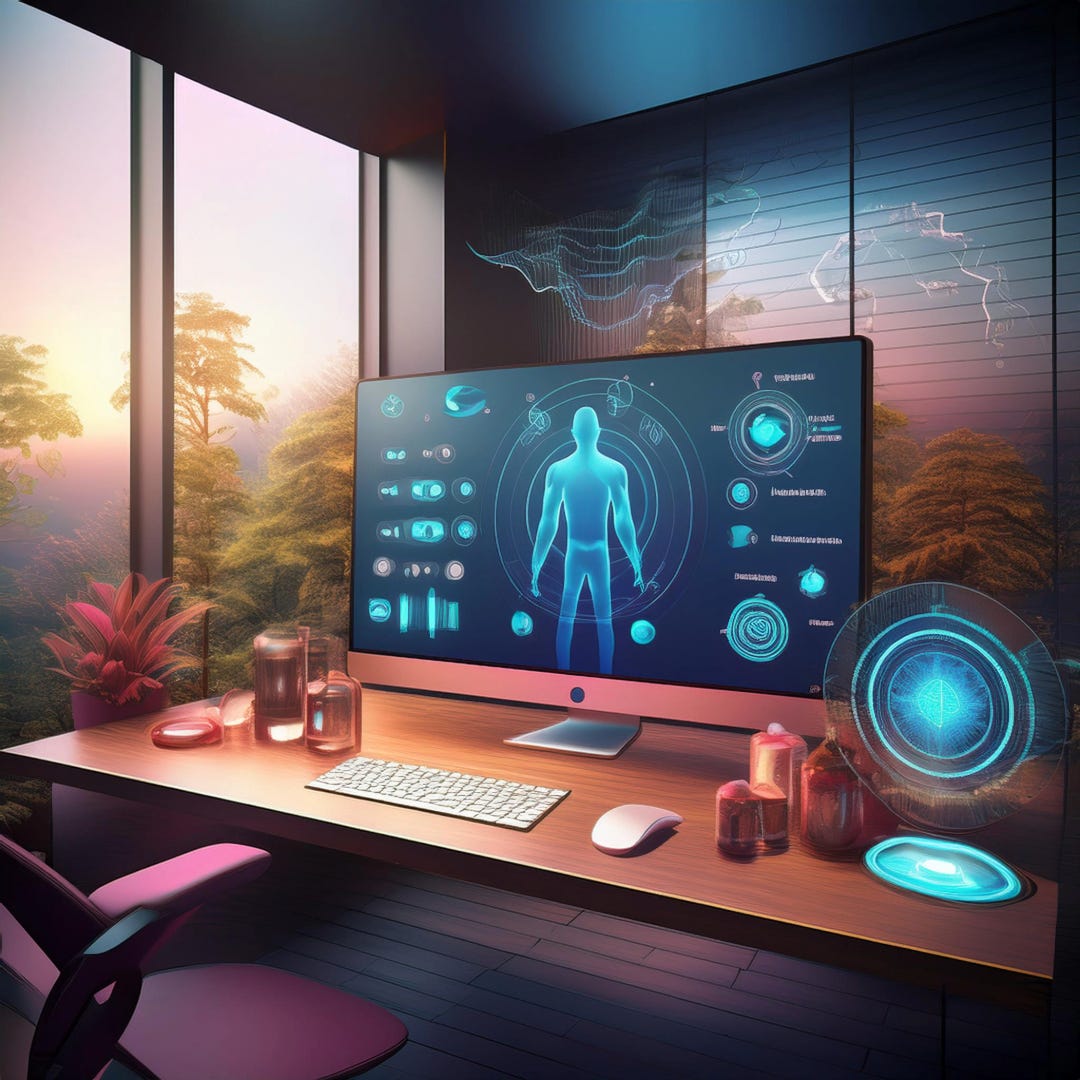
From personalized meditation to AI-driven nutrition plans, the promises are big. But do these tools actually deliver? Some AI-driven solutions are genuinely improving mental health, fitness, and nutrition, while others raise concerns about privacy, bias, and long-term effectiveness.
So, is AI the future of wellness—or just another fleeting tech trend? Let’s dive in and explore what’s really happening.
How AI is Shaping Wellness
The integration of artificial intelligence (AI) in wellness has the potential to revolutionize how we track our health, manage stress, and enhance overall well-being. AI-powered wellness products have seen widespread adoption, offering personalized insights, adaptive interventions, and predictive analytics. From mindfulness applications to sophisticated biometric wearables, AI is undeniably shaping the conversation around self-care. But is it truly delivering on its promise?
Successful AI Wellness Products Leading the Way (and Some Worth Questioning)
Mindfulness & Sleep Tracking
Calm and Headspace leverage AI to personalize user experiences. They offer guided meditations, sleep stories, and breathing exercises tailored to individual preferences. AI analyzes sleep patterns, stress levels, and meditation habits to recommend personalized programs. Machine learning algorithms enhance content recommendations, aiming to keep users engaged.
💭 But do these personalized recommendations truly lead to lasting mindfulness habits?
AI-Powered Mental Health Chatbot
Woebot is a clinically validated chatbot employing Cognitive Behavioral Therapy (CBT) techniques to provide conversational support for users managing stress, anxiety, and depression. The AI model adapts to user inputs, offering insights and strategies while ensuring anonymity and accessibility.
💭 Can a chatbot truly replace the empathy and nuanced understanding of a human therapist?
Fitness & Biometric Insights
Fitbit and Apple Watch have evolved from simple step trackers to intelligent health companions. AI-powered analytics track heart rate variability, sleep quality, and physical activity, providing real-time feedback. Advanced machine learning predicts potential health risks (e.g., irregular heartbeats, stress overload) and alerts users.
💭 But how accurate are these predictions, and do they lead to meaningful behavior change?
Emotional Support Companion
Replika is an AI-driven chatbot designed to provide emotional companionship. It utilizes natural language processing (NLP) and deep learning to simulate human-like conversations. While not a replacement for human connection or therapy, Replika offers a judgment-free space for self-expression.
💭 However, the long-term effects of relying on AI for emotional support remain uncertain.
Nutrition & Gut Health Optimization
Zoe uses AI and microbiome research to create personalized nutrition plans. It combines AI-powered blood sugar monitoring and microbiome sequencing to recommend foods that optimize digestion and metabolic efficiency.
💭 But how accessible and affordable is microbiome sequencing for the average user?
Digital Mental Health Tracking
Mindstrong integrates AI-based smartphone data analysis to monitor mental health. By analyzing typing patterns, speech, and usage behaviors, it identifies subtle cognitive shifts that may indicate conditions such as depression or anxiety.
💭 While promising, this technology raises significant privacy concerns.
What’s Working, What’s Emerging, and What Needs Urgent Attention
What’s Working Well:
✅ Personalization & AI-Driven Adaptation → AI wellness apps tailor recommendations based on user data, leading to potentially more effective experiences.
✅ Accessibility & 24/7 Support → Tools like Woebot provide instant, anonymous mental health support, bridging gaps in access to traditional therapy.
✅ AI & Predictive Insights → Wearables can predict potential health risks, enabling proactive health management.
What’s Emerging:
🔸 Nuanced Emotional Support → AI tools are improving at simulating empathy, but the long-term impact of AI-driven emotional support needs further research.
🔸 Expanding Cultural Competency → Efforts are underway to train AI models on diverse datasets to improve effectiveness across populations.
What Needs Urgent Attention:
🚨 Ethical Considerations → Data privacy, algorithmic bias, and transparency require stronger regulations and ethical guidelines.
🚨 Long-Term Engagement → AI wellness tools struggle with user retention. Strategies for fostering long-term engagement are crucial.
🚨 Integration with Healthcare Systems → AI should complement healthcare, but interoperability and accessibility challenges remain.
🚨 Human Oversight → AI should augment, not replace, human expertise. Therapists, doctors, and healthcare professionals must remain involved.
Backing It Up with Data
📊 A 2023 survey by The Global Wellness Institute found that 80% of users abandon wellness apps within the first 30 days due to lack of engagement.
📊 A study published in Nature Digital Medicine highlighted bias in AI-powered mental health tools, showing that many models were trained primarily on Western-centric data.
📊 The AI Ethics Consortium reported that over 60% of users express concern over data privacy in AI-driven wellness apps.
What’s Next? Predictive AI for Preventative Healthcare
The next frontier for AI in wellness is predictive health analytics—moving beyond reactive tracking to preventative care.
🔹 AI-Driven Early Detection → Identifying early warning signs of mental health disorders, chronic illnesses, and lifestyle-related diseases.
🔹 Hyper-Personalized Preventative Plans → AI will craft highly customized health interventions, combining biometrics, genetic data, and behavioral trends.
🔹 Integration with Healthcare Systems → AI wellness products could bridge the gap between consumer health tracking and clinical healthcare, providing real-time patient insights. But significant hurdles need to be overcome.
Final Thoughts
AI-powered wellness products have the potential to profoundly impact our well-being. However, ethical concerns, data privacy, human oversight, and the need for long-term engagement strategies must be addressed to ensure AI-driven wellness truly benefits all.
The future of self-care may be AI-powered, but it must also be human-centered.
💭 Which AI wellness tool have you tried—and did it actually work for you? Share your experience in the comments!
🔗 Stay Connected:
📢 Let’s Connect:
📩 Enjoyed this article? Share it with someone who’s curious about AI in wellness!